1. Introduction to Sustainable Spaces
Definition and Importance: Define what constitutes a sustainable space and explain the importance of eco-friendly design solutions in addressing environmental challenges.
Historical Context: Provide an overview of the evolution of sustainable design and its increasing relevance in modern architecture and interior design.
2. Core Principles of Sustainable Design
Resource Efficiency: Discuss the principles of reducing resource consumption, including energy, water, and materials.
Waste Reduction: Explore strategies for minimizing waste through design, construction, and material selection.
Indoor Environmental Quality: Explain the importance of maintaining healthy indoor environments through proper ventilation, air quality, and non-toxic materials.
3. Key Eco-Friendly Design Solutions
Energy-Efficient Systems: Detail energy-saving technologies and systems, such as solar panels, LED lighting, and high-efficiency HVAC systems.
Sustainable Materials: Discuss the use of sustainable materials like recycled content, rapidly renewable resources, and low-impact finishes.
Water Conservation: Explore water-saving fixtures, rainwater harvesting systems, and drought-tolerant landscaping.
Green Building Certifications: Explain the significance of certifications such as LEED, BREEAM, and others, and how they guide sustainable design practices.
4. Design Strategies for Sustainable Spaces
Passive Design: Discuss passive design strategies, including natural ventilation, passive solar heating, and daylighting.
Modular and Prefabricated Construction: Examine the benefits of modular and prefabricated construction methods in reducing waste and improving efficiency.
Adaptive Reuse: Explore the concept of adaptive reuse, where existing buildings are repurposed for new uses while preserving their original materials and structure.
5. Case Studies and Examples
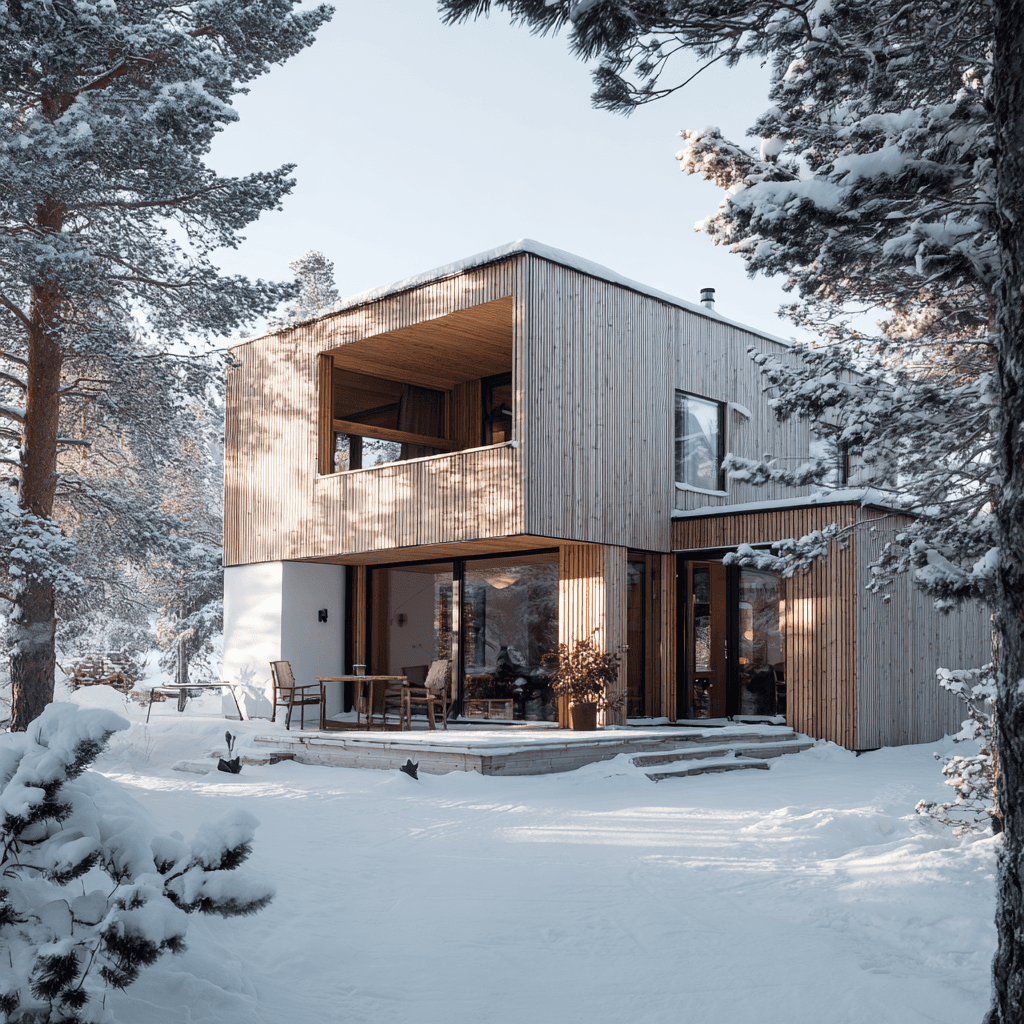
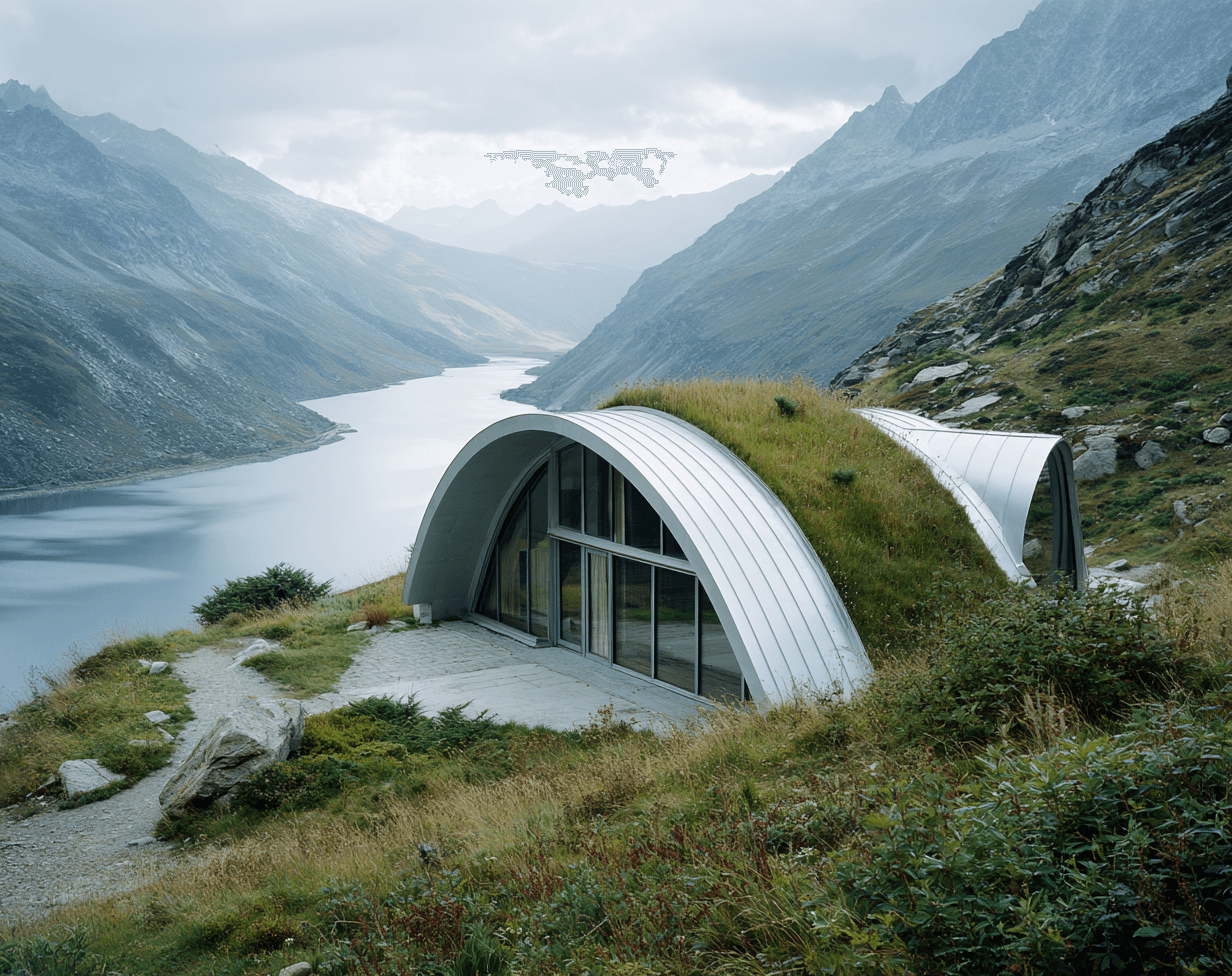
Residential Projects: Provide examples of homes designed with sustainable principles, highlighting key features and outcomes.
Commercial Buildings: Showcase office buildings, retail spaces, and other commercial environments that have successfully integrated eco-friendly design solutions.
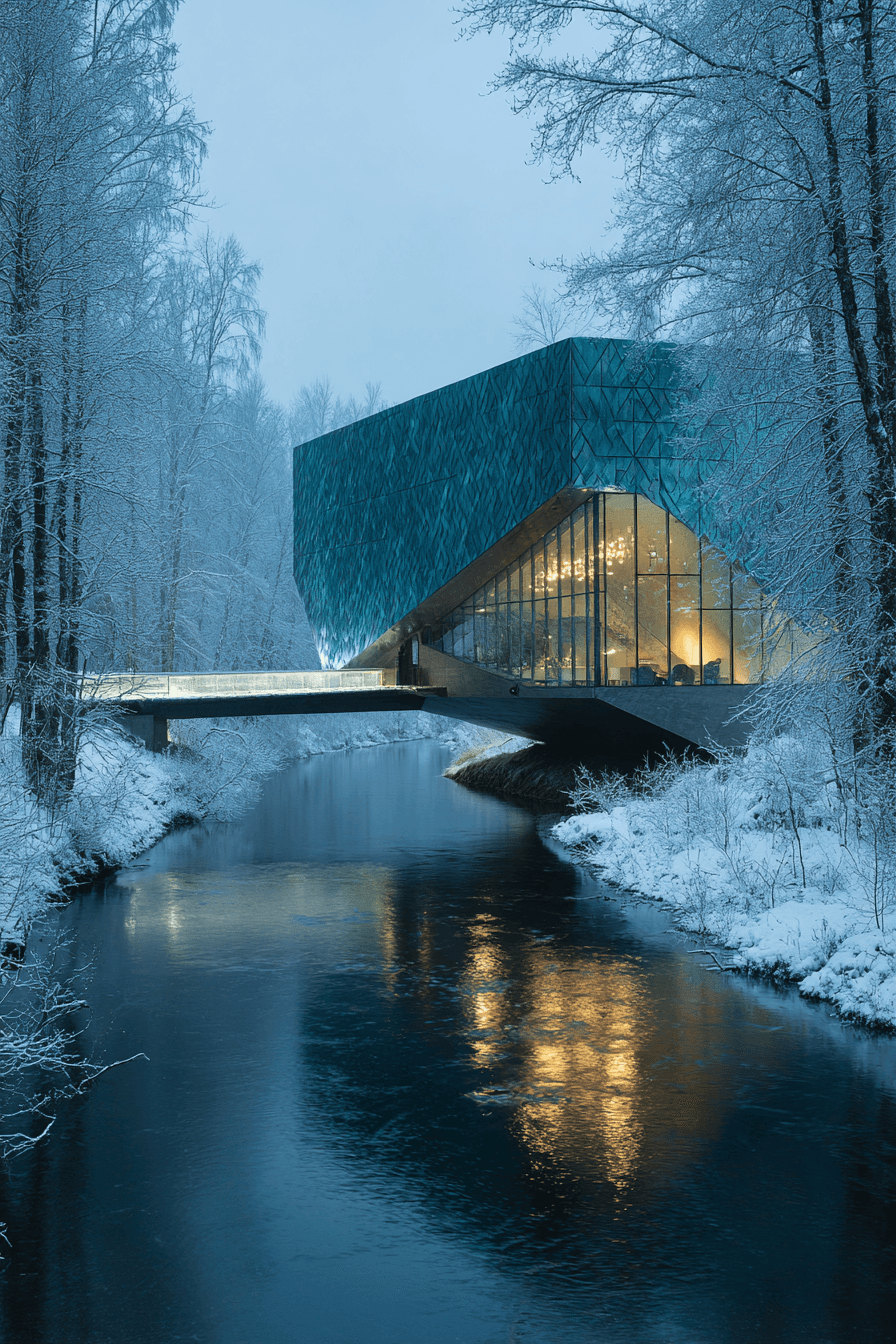
Public Projects: Highlight public spaces such as schools, museums, and community centers that prioritize sustainability.